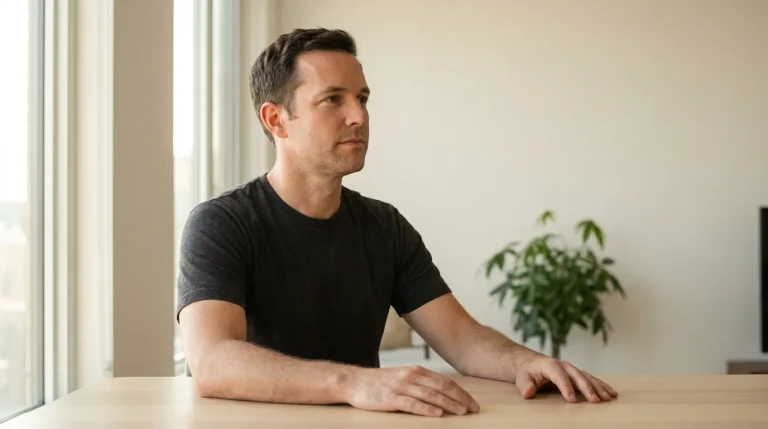
Maybe your workouts aren’t producing the results they used to, your energy tanks by mid-afternoon, or your motivation and mood just feel off in a way you can’t quite explain. It’s easy to write these changes off as normal aging or a rough patch, but for a lot of men in their 40s, 50s, and 60s, what may be happening is andropause, sometimes called male menopause, a gradual decline in testosterone that shows up quietly and builds over years.
Hormone changes in aging men are well documented, even if they don’t get talked about as openly as menopause does. Here is what andropause is, how it differs from female menopause, and when it makes sense to get tested.
What Is Andropause?
Andropause refers to the gradual, age-related decline in testosterone that most men experience starting around midlife. Unlike female menopause, which happens over a relatively short window as periods stop, andropause unfolds slowly, which is part of why it’s easy to miss or dismiss as ordinary aging.
Men’s testosterone levels generally fall about 1% a year after age 40, and that gradual decline adds up. According to the American Heart Association, by age 75 a typical man will have lost about 30% of the testosterone he had at 25. Not every man notices symptoms at the same pace or intensity, but for many, the cumulative effect eventually becomes hard to ignore.
Signs and Symptoms of Andropause
Andropause symptoms tend to show up gradually, which is exactly what makes them easy to attribute to stress, work, or just getting older. Here’s what tends to stand out once you start paying attention.
Physical Symptoms
Loss of muscle mass, increased fat mass (especially around the midsection), reduced strength in the gym, and decreased energy overall are among the most common physical signs. Some men also notice libido issues, erectile dysfunction, or other sexual function changes, and occasionally breast tenderness, which can be some of the more frustrating symptoms to bring up, even with a healthcare professional.
Emotional and Cognitive Symptoms
Mood swings, irritability, and a general sense of flatness or low motivation are common, and they’re often mistaken for burnout or a bad stretch rather than a hormonal shift. Some men also report difficulty concentrating and a dip in overall mental sharpness.
Sleep and Energy Changes
Disrupted sleep patterns and persistent fatigue, even after a full night’s rest, show up frequently alongside the other symptoms. Since testosterone release is closely tied to sleep, the two tend to feed into each other in a frustrating cycle.
What Causes Andropause
Andropause is driven by the natural, gradual decline in testicular hormone production that comes with aging. Testosterone production is controlled by the brain and the pituitary gland, which signal the testes to make testosterone, and as men age that output gradually falls. It’s sometimes referred to clinically as age-related or late-onset hypogonadism, or simply testosterone deficiency, and it happens alongside broader hormonal imbalance in how the body regulates itself over time. Lifestyle factors can accelerate or ease the decline: excess body fat, poor sleep, high stress, and a sedentary routine can all push testosterone lower than age alone would explain, while regular exercise, strength training, and a balanced diet with enough protein and healthy fats can help support healthier levels.
According to the Mayo Clinic, only about 10% to 25% of men have testosterone levels thought to be low, which is worth knowing since not every man who feels a bit off is dealing with andropause specifically. That’s exactly why testing matters more than guessing based on symptoms alone.
Low Testosterone, Cardiovascular Disease, and Men’s Health at Middle Age
Low testosterone at middle age isn’t just about energy and libido; it’s tied to broader men’s health outcomes worth paying attention to. Some studies have associated chronically low testosterone levels with a higher risk of cardiovascular disease, including heart disease and heart attack, along with unwanted weight gain, reduced bone density that can raise the risk of osteoporosis and bone fractures, and a higher chance of developing metabolic issues over time. That’s why persistently low testosterone is worth discussing with a licensed physician, rather than something to simply tolerate as an inevitable part of getting older.
Older men are more likely to have low testosterone levels than younger men, but age alone doesn’t automatically mean treatment is necessary. The decision comes down to your actual testosterone levels on a blood test, the symptoms you’re experiencing, and your overall health picture, not your age on its own.
Hormone Replacement Therapy: What to Expect

Hormone replacement therapy for andropause, more specifically testosterone replacement therapy, is not a decision to make lightly or without proper testing. Once low testosterone levels are confirmed with bloodwork, a licensed physician will typically start with a lower dose and monitor how your body responds, adjusting the approach over time based on follow-up labs and how you’re feeling.
Hormone replacement therapy isn’t a quick fix taken in isolation either. A licensed physician will often pair it with lifestyle guidance, since exercise, sleep, and diet all influence how your body responds to treatment. The goal of hormone replacement therapy is steady, monitored improvement over months, not an overnight transformation.
How TRT Can Help With Andropause
For men whose symptoms are confirmed to stem from genuinely low testosterone, testosterone replacement therapy is a well-established, evidence-based option. Harvard Health notes that testosterone is typically given as a gel, patch, or injection, with the right delivery method depending on your lifestyle, preferences, and what a licensed physician recommends after reviewing your labs.
This is where testosterone replacement therapy for men comes in. TRT Colombia doesn’t diagnose or prescribe treatment directly; our role is to connect you with licensed doctor allies who order the appropriate blood work, confirm whether low testosterone is actually the underlying issue, and build a personalized treatment plan around your specific hormone levels and health history. If you’re still working out what TRT actually involves, our overview of TRT benefits, risks, and costs is a good place to start.
Considering Care in Colombia
Some international men look to Colombia for testosterone therapy because it combines licensed, experienced doctor allies, personalized attention, and transparent pricing. TRT Colombia coordinates care across six cities in Colombia, handling everything from scheduling your initial evaluation to arranging ongoing monitoring with a licensed physician.
Whether you already live in Colombia or plan to travel for care, TRT Colombia coordinates the practical side: scheduling your evaluation, understanding what lab work to expect, and staying connected with your doctor ally throughout treatment so you know what to expect at each step.
Safety and When to Get Tested

Andropause symptoms overlap with plenty of other conditions, including depression, thyroid issues, sleep apnea, and simple burnout, so a proper evaluation from a healthcare professional matters more than assuming testosterone is automatically the culprit. The only reliable way to confirm low testosterone is a blood test, not a symptom checklist, and a healthcare professional may recommend testosterone treatment only after a physical examination and after ruling out other explanations, including serious illness and chronic diseases.
Testosterone therapy isn’t right for everyone. A licensed physician will want to review your full health history, since testosterone therapy has been linked to an increased risk of blood clots and isn’t appropriate for men with certain conditions, including some forms of prostate cancer. This is exactly why TRT Colombia positions itself as the connector to that licensed medical evaluation rather than skipping straight to treatment. If your energy, mood, or body composition have shifted in ways that concern you, the right first step is a conversation with a qualified doctor and proper hormone testing, not assumptions.
Frequently Asked Questions
What Is The Average Age For Andropause To Start?
Testosterone levels fall gradually after age 40, though most men don’t notice symptoms until their late 40s or 50s, once the cumulative drop becomes more pronounced.
How Long Does Andropause Last?
Unlike female menopause, andropause doesn’t have a defined endpoint. It’s a gradual, ongoing decline rather than a phase that resolves on its own, which is why lasting symptoms are worth discussing with a licensed physician rather than waiting them out.
Is Andropause The Same As Male Menopause?
They’re generally used interchangeably, though neither is a formal medical diagnosis. The clinical term is late-onset hypogonadism. Unlike female menopause, there’s no sudden hormonal cutoff; it’s a slow decline rather than a defined transition.
How Do I Know If I Have Low Testosterone Or Something Else?
A blood test measuring your testosterone levels is the only reliable way to know for sure, since symptoms like fatigue and mood changes can overlap with several other conditions a doctor will want to rule out first.
Can Lifestyle Changes Alone Fix Low Testosterone?
Strength training, regular physical activity, quality sleep, and a healthy diet can support testosterone levels, manage stress levels, and improve overall well being, and they’re worth pursuing regardless. But for men with clinically low levels, addressing the underlying cause with a licensed physician may mean recommending testosterone therapy on an individualized basis alongside those changes rather than in place of them.
If you suspect andropause is behind changes in your energy, mood, or body composition, it is worth raising with a licensed physician rather than simply accepting it as part of getting older. TRT Colombia connects you with licensed doctor allies who can test your hormone levels and build a personalized plan around what’s actually going on. When you’re ready to talk through your options, you can Schedule Your Consultation to get started.
TRT Colombia is a coordination service, not a medical clinic or pharmacy. We connect clients with independent, licensed physicians and healthcare providers in Colombia. Any treatment, including testosterone replacement therapy, requires a full evaluation and prescription from a licensed doctor before it begins.